

Dead Vape, Live Fire: Safe Vape Battery Disposal in Australia

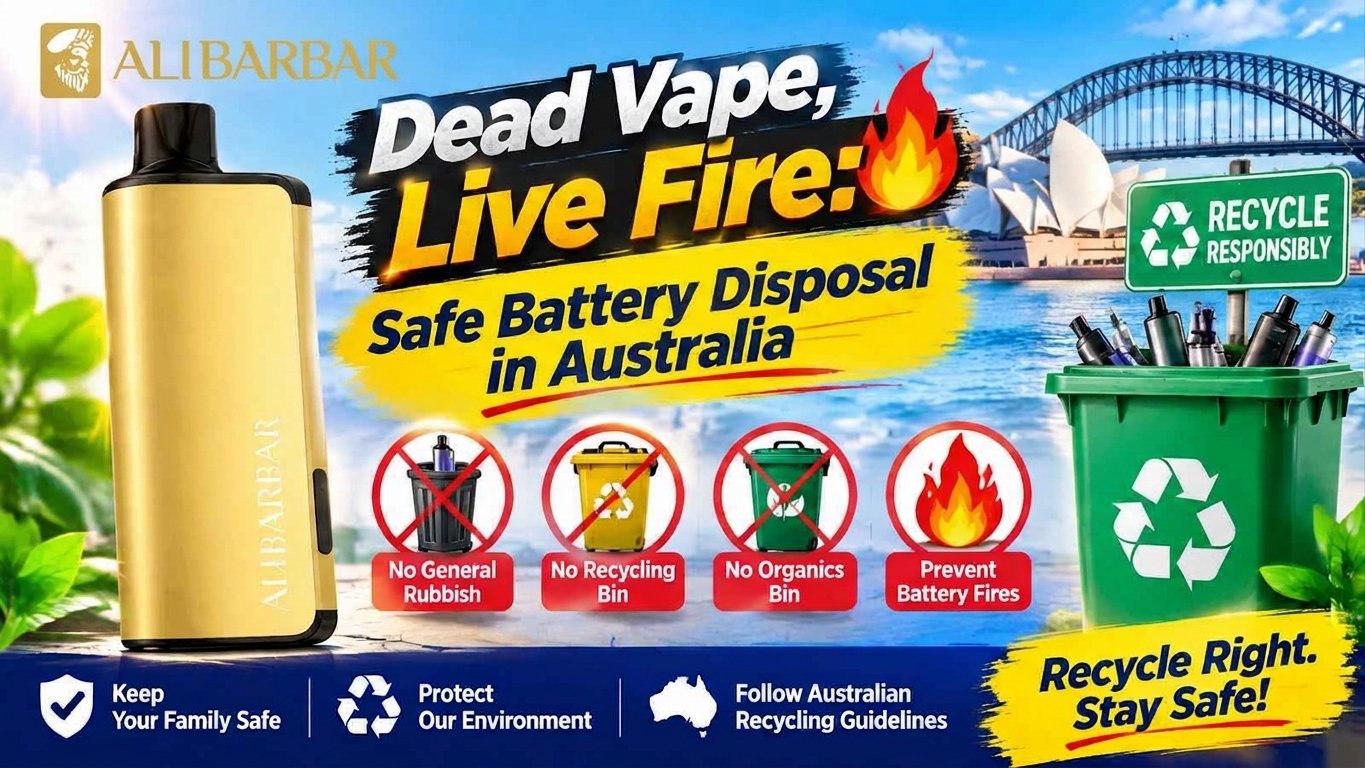
Whether designed as single-use units or rechargeable devices, safe vape battery disposal has become a critical challenge across Australia. Virtually all e-cigarettes conceal potent chemical lithium cells inside small plastic or aluminium casings, yet many consumers treat them as harmless rubbish, triggering severe fire hazards. 🔋
With the ACCC reporting a surge of nearly 600% in lithium-ion battery safety incidents, understanding proper care, safe storage, and responsible disposal is essential. Here is your practical Australian household guide to keeping your home safe and managing vape batteries responsibly.
Why Lithium-Ion Battery Recycling Matters
Every electronic vape contains a miniature lithium-ion cell packed with finite, highly valuable raw materials, including battery-grade lithium, cobalt, nickel, and copper. When discarded into general rubbish, these critical minerals end up buried in landfill, squandering non-renewable resources and risking toxic chemical leaks into Australian soil and waterways.
Recycling recovers up to 95% of these precious components for reuse in clean energy manufacturing. More urgently, dedicated recycling keeps live batteries out of standard waste trucks, directly preventing friction-sparked compactor fires and protecting local council collection workers. ♻️
Common Household Battery Hazards
Their compact, pocket-sized design routinely exposes vape batteries to everyday conditions that accelerate cell failure:
- Incompatible charging gear: Using high-output fast chargers, uncertified cables, or unregulated power boards can deliver excessive current, causing the lithium cell to overheat.
- Extreme Australian heat: Leaving devices on car dashboards, in gloveboxes on 35°C summer days, or under direct sunlight degrades the internal separator.
- Pockets and loose storage: Carrying loose batteries or uncased devices alongside keys, coins, or other metallic objects can bridge the terminals and cause a catastrophic dead short.
- Physical drops and impacts: Tossing devices onto hard surfaces or accidentally stepping on them can crush the microscopic internal layers, triggering immediate or delayed short circuits.
How to Identify a Damaged Battery
Recognising early signs of battery failure can prevent a sudden flare-up in your living room or vehicle. Watch for these red flags:
- Swelling or case distortion: If an e-cigarette body bows outward, feels spongy, or starts splitting at the seams, the lithium pouch has vented gas internally. ⚠️
- Unusual surface heat: If a disposable unit feels warm while sitting idle, or if a rechargeable device becomes too hot to hold during use, set it aside immediately.
- Pungent chemical odours: A sweet, solvent-like smell or faint hissing and popping sounds indicate that the internal electrolyte is venting toxic vapour.
- Self-activation (“Auto-firing”): If a disposable vape activates on its own without puffing, the internal switch has failed—isolate the device outdoors immediately.
If you spot any of these warning signs, isolate the device outdoors on a non-flammable surface (like a concrete path or a bucket filled with dry sand) away from pets, children, and walls.
Where to Manage Vape Battery Disposal in Australia
Under environmental regulations—such as Victoria’s strict ban on e-waste going to landfill—all products containing integrated batteries are classified as electronic waste and cannot be binned at home.
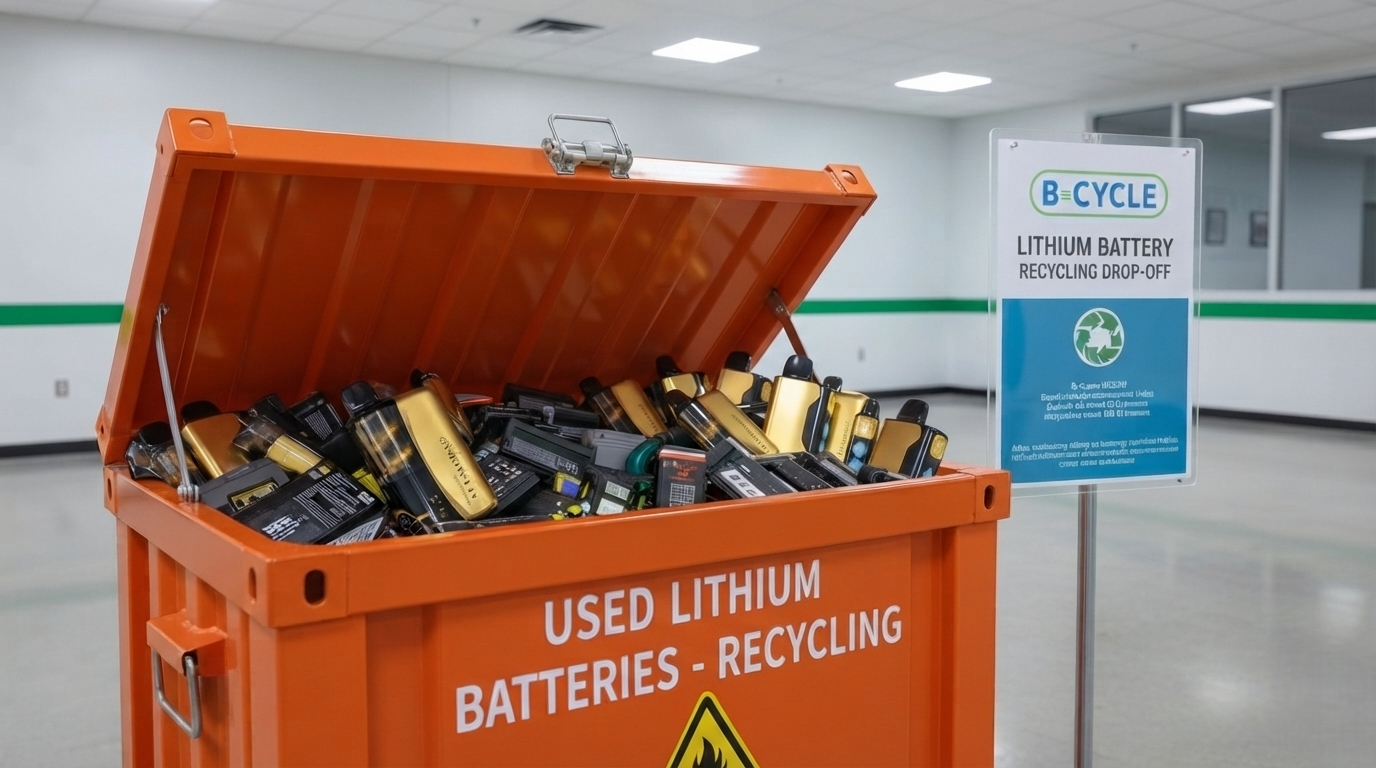
- B-cycle Drop-Off Points: Australia’s national battery stewardship scheme provides collection bins at major retail chains nationwide, including Woolworths, Coles, ALDI, Bunnings Warehouse, and Officeworks.
- Dedicated E-Waste Depots: Because vape batteries are permanently wired into internal circuitry, do not attempt to pry or hack the device open with knives or pliers. Doing so can puncture the cell and cause an immediate fireball. Hand the entire intact device over to designated council e-waste transfer stations.
- Local Council Resource Recovery Centres: Most regional and metropolitan councils run periodic e-waste drop-off days where domestic hazardous materials are processed safely at no charge.
Safety Reminder: When disposing of loose cells or exposed terminals, always cover the contact points with clear sticky tape or electrical tape to prevent stray contact sparks inside the collection box. ⚡
What Not to Put in Household Bins
Under no circumstances should a vape or loose lithium battery enter your household wheelie bins.
- ❌ Red/Dark Green Landfill Bin: Compactor blades in council waste trucks easily crush small devices. A ruptured lithium battery exposed to air and combustible waste will ignite instantly, resulting in dangerous suburban roadside truck fires.
- ❌ Yellow Kerbside Recycling Bin: Automated sorting facilities are built for paper, cans, and rigid plastics. Batteries caught in mechanical sorting rollers cause high-risk blazes that shut down recycling infrastructure.
- ❌ Green Organics (FOGO) Bin: Live chemical cells must never contaminate biological compost streams.
Understanding Battery Fire Risks
When a lithium-ion battery fails catastrophically, it enters thermal runaway—a violent, self-fuelling chemical chain reaction. Temperatures can exceed 600°C within seconds, producing forceful jet flames and venting dense, highly toxic vapour containing deadly gases like hydrogen fluoride.
The Country Fire Authority (CFA) and Fire and Rescue NSW advise:
- Never use standard home fire blankets: They cannot smother an internal chemical oxygen reaction.
- Evacuate the area immediately: Do not breathe the white or grey smoke plumes, as chemical inhalation can cause severe lung damage.
- Call Triple Zero (000): Alert emergency responders straight away so firefighters can apply continuous, high-volume water cooling to neutralise the thermal runaway.
Responsible battery care protects your family, safeguards waste management workers, and ensures valuable materials re-enter Australia’s sustainable circular economy. 🌿